
Post-Surgical Rehabilitation in Cirencester
Your operation is step one. We’ll take it from here.
One-to-one rehab after joint replacements, ACL reconstruction, shoulder, hip and tendon surgery, and many more planned around your surgeon’s protocol and led by two specialist physiotherapists.
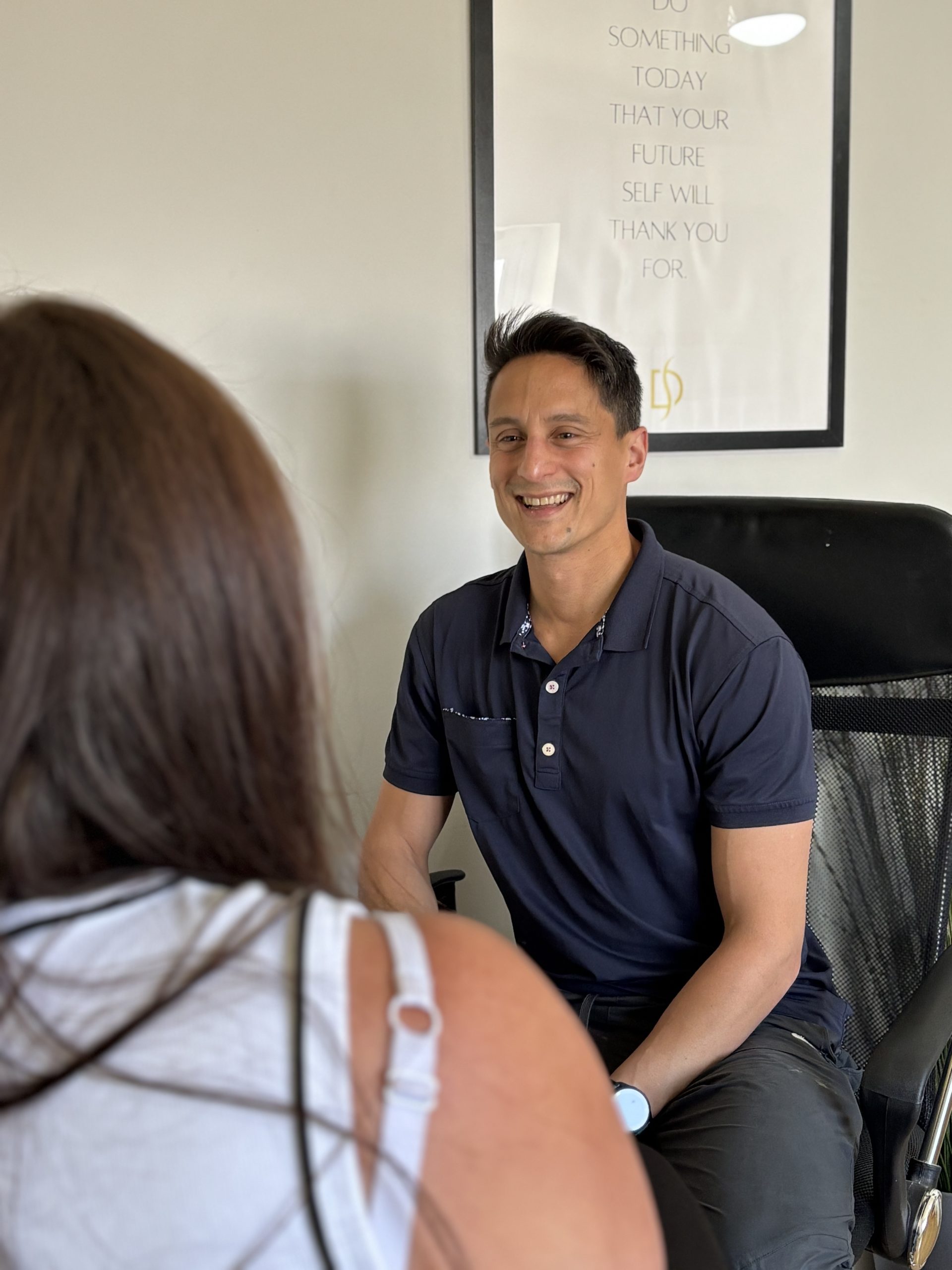
Chartered MSK Physiotherapist

Chartered MSK Physiotherapist
WHY REHAB MATTERS
Surgery fixes the structure. Rehab rebuilds the person.
Getting strength, movement and confidence back after an operation takes time and the right kind of work. Done well, rehab helps you recover more fully, reduces stiffness and weakness, and gets you back to work, family life and sport with confidence.
One-to-one, every session
Never a class. Every session is with a physiotherapist who knows your operation and your goals.
The same clinician
Apart from in rare circumstances you’ll see the same person from your first session to your last, so nothing gets lost.
On-site rehab gym
Treadmills, bikes and strength equipment on site, so your rehab can progress all the way to full function.
DUE SURGERY SOON?
Come and see us before your operation.
If you have a date for surgery, seeing the team beforehand is one of the most useful things you can do. Going into an operation stronger and better prepared can make the first weeks afterwards easier, and means your rehab starts with a plan rather than from scratch.
Before surgery, we can:
✓Measure your strength and movement, so we have a baseline to work back towards
✓Build strength around the joint while you wait
✓Teach you the exercises you’ll need in the first days after surgery
✓Practise with crutches or a sling, and plan how you’ll manage at home
✓Talk through what recovery will look like, so you know what to expect
YOUR RECOVERY ROADMAP
Four phases, one clear plan.
Every recovery moves through the same broad phases, at a pace set by your operation, your surgeon’s protocol and how your body responds. You’ll always know which phase you’re in and what comes next.
PHASE 1 · THE FIRST WEEKS
Protect and settle
Managing pain and swelling, protecting the repair, and getting moving safely within your surgeon’s limits.
PHASE 2
Restore movement
Regaining range of movement and normal walking or arm use, and reducing reliance on crutches, slings or braces.
PHASE 3
Build strength
Progressive strength, balance and control work in our rehab gym, adjusted as your body is ready for more.
PHASE 4
Test and return
Strength testing on force plates and dynamometers to check you’re ready, then a graded return to work, hobbies and sport.
WHAT TO EXPECT
How long will rehab take?
Here’s a rough guide based on the operations we see most. We’d rather you plan for the full journey than be surprised by it.
| OPERATION | TYPICAL SESSIONS | OVER ABOUT |
|---|---|---|
| Knee arthroscopy | Around 8 | 6 to 12 weeks |
| Fracture repair (ORIF) | Around 8 | 6 to 12 weeks |
| Rotator cuff and shoulder surgery | Around 12 | 4 to 5 months |
| Hip or knee replacement | Around 20 | 6 to 9 months |
| ACL or Achilles reconstruction | Around 24 | 9 to 12 months |
These are typical estimates, not targets or promises. Everyone recovers differently, and the number you need depends on your operation, your surgeon’s protocol, your goals and how your body responds. Some people need fewer sessions, some need more. Sessions are usually closer together early on and spread out as you progress.
For longer recoveries, rehab bundles can work out cheaper. See our prices →

Working with your surgeon
We work closely with local orthopaedic consultants and follow your surgeon’s protocol. With your permission we’ll keep your surgical team updated, and if something doesn’t look right we can refer you back quickly.
IN YOUR SESSIONS
Everything your recovery needs.
✓Assessment and goal setting, based on your operation and what matters to you
✓Hands-on treatment to ease pain, stiffness and swelling
✓Progressive strength, balance and mobility exercises
✓Treadmill, bike and gym-based rehab as you get stronger
✓Force plate and dynamometer testing to measure progress
✓A clear home programme, and advice on what’s normal
✓Communication with your surgical team when it helps
BEFORE YOUR FIRST SESSION
What to bring with you.
✓Your surgeon’s letter, discharge notes or rehab protocol
✓Scan and X-ray reports
✓A list of your current medications
✓Any braces, slings or walking aids
✓Insurance details, if you’re claiming
✓Comfortable clothes that let us see the area
– NOT SURE WHERE TO START?
We’ll point you in the right direction.
You don’t need to diagnose yourself, and you don’t need to worry about picking the “right” discipline. For most problems it makes little difference who you see first, and we’ll always refer across or co-manage if that’s what helps. If you’d like a steer before you book, here are three easy ways to find it.
Give Us a Call
Rather talk to a person? Call us on 01285 671442 or book a free 10-minute triage call. We’ll listen, ask a few questions, and help you decide where to start. No pressure, no obligation.
Take Our Quiz
Try our Who Should I See quiz for a quick steer on who to book with.
Meet The Team
Like to choose who you see? Have a look through our team profiles and pick whoever feels like the right fit. Whoever you choose, we’ll make sure you’re in the right hands.
Book a Free Triage Call
Prefer to talk it through? Have a free 10-minute call with a member of our clinical team. We’ll listen, ask a few questions, and help you decide on the best next step. No pressure, no obligation.
– COMMON QUESTIONS
Before you book.
Everything people usually ask before starting rehab. Can’t see your question? Book a free 10-minute triage call and we’ll answer it directly.
Do I need a referral?
No. You can book directly. Bring your surgeon’s letter or protocol if you have one, and we’ll work to it.
How soon after surgery should I start?
It depends on your operation and your surgeon’s guidance. For many procedures, rehab starts within days or a couple of weeks. Get in touch once you have a date and we’ll plan around it.
Should I come before my operation?
Yes, if you can. A pre-surgery session gives us a baseline, gets you stronger while you wait, and means you go into surgery knowing exactly what the first weeks will look like. Find out more.
Will I see the same clinician every time?
Usually, yes. Pierre and Alastair lead most of our post-surgical rehab, and in most cases you’ll see the same person throughout. If that ever needs to change, we’ll talk it through with you first.
Can I use private health insurance?
Many insurers cover physiotherapy after surgery, but policies vary and some ask for a GP or consultant referral first. Check with your provider, and call us if you need help with the paperwork.
How much does it cost?
You can pay per session, or choose a rehab bundle, which works out cheaper for longer recoveries. Every option is on our prices page.
What if my recovery isn't going to plan?
Tell us. We’ll reassess, look at your testing and notes, and if something needs a second opinion we can refer you back to your surgeon or to a consultant we work with.
– I WANT TO…
Looking for something else?
READY WHEN YOU ARE
Let’s plan your recovery.
Whether your operation is next month or last week, the sooner we start, the better your plan.
Not sure yet? Take our 2-minute quiz or book a free 10-minute triage call.